Project PROVE:

Protecting the Reliability of Visual Evidence

We are a team applying perceptual science and computational techniques to a defining question of the AI era: when can we trust what we see and hear?

4 in 5 average number of times a real voice and its AI clone were judged to be the same person Barrington et al. · Sci. Rep. 2025
~60% accuracy at recognizing authentic video — barely above chance Davodi et al. · APAI at CVPR 2026
+38% pts maximum gain in license plate legibility from the best AI upscaler Farid et al. · Manuscript 2026
I
The Problem

Seeing and hearing is no longer believing.

Generative AI can fabricate realistic visual imagery, clone a person's voice from seconds of audio, and produce convincing "enhancements" of low-quality evidence — all with free or low-cost tools. These capabilities have already surfaced in misidentifications, in election-interference robocalls, and in evidence introduced in criminal trials.

Courts, legislatures, journalists, and the public are confronting these challenges, often without scientific grounding. Project PROVE exists to build the evidence base they need. We aim to conduct rigorous, independent research and evaluation at the intersection of perceptual science, computational analysis, forensics, and the law.
As AI-generated media becomes indistinguishable from reality, the risk is not only that fakes will be believed, but that authentic evidence will no longer be trusted.
II
Our Approach

Three questions drive our work.

Scientific understanding

How do people perceive AI-generated and AI-enhanced audiovisual content, and where do human judgment and computational analysis tools succeed or fail?

Effects on forensic science

How is AI changing forensic practice, from authenticating audiovisual content to "enhancing" low-quality evidence, and when do these tools help or mislead the people who rely on them?

Policy and regulatory frameworks

How should generative AI be responsibly deployed in legal, journalistic, and civic contexts?

III
Recent Work

Things we’ve been working on.

APAI Workshop at CVPR · 2026

Perceptual judgments of video authenticity

Davodi, Barrington, Farid & Cooper
Manuscript · 2026

Effects of conventional, adaptive, and AI-powered upscaling on the legibility of license plates

Farid, Bucci & Cooper
Manuscript · 2026

AI-powered facial mask removal is not suitable for identification

Cooper & Farid
IV
People

Who we are.

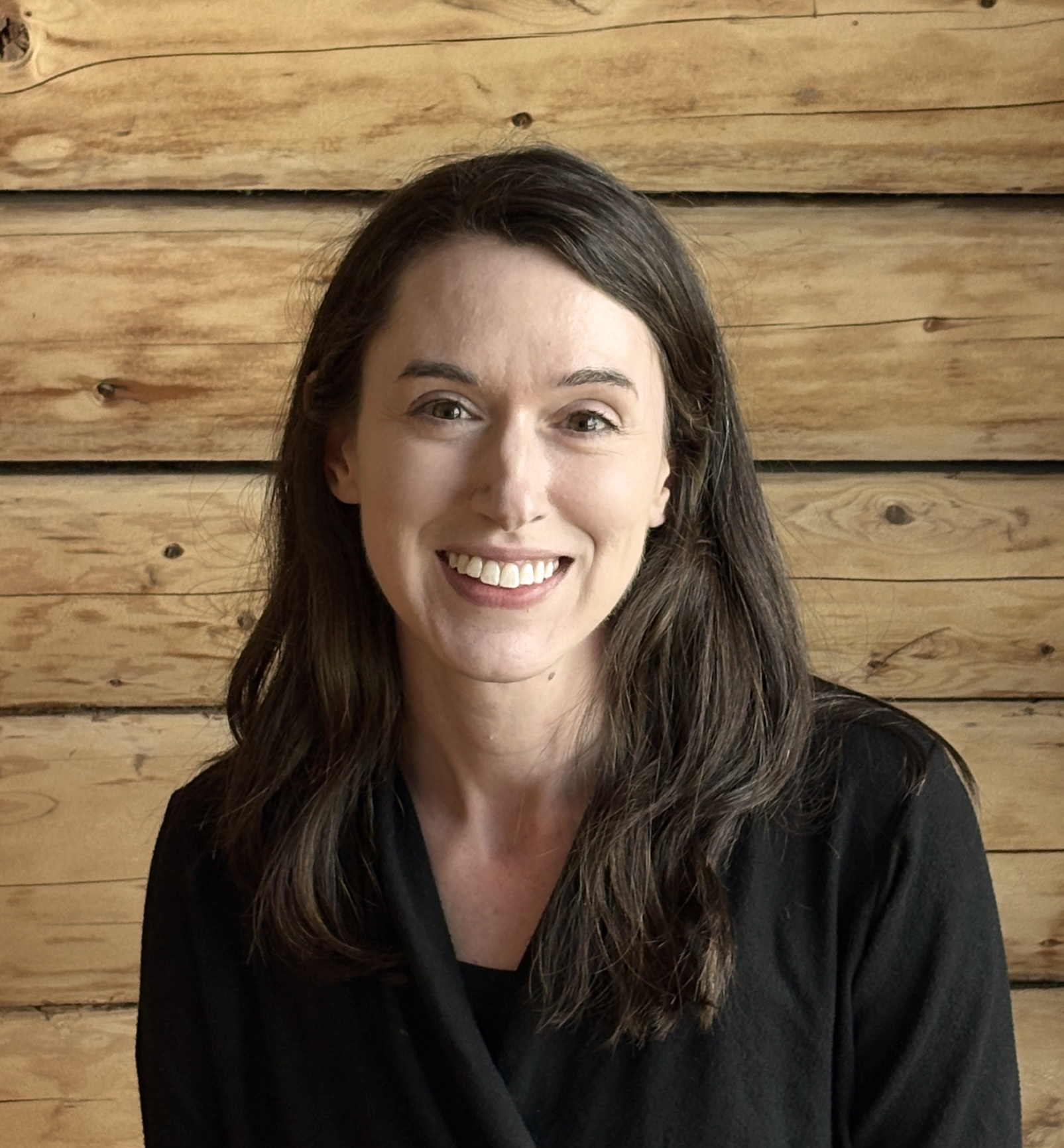
Portrait of Emily A. Cooper

Emily A. Cooper

Associate Professor · Cognitive Science & Computer Science

Research spanning visual perception, computation, and technology, with experience across academia, the technology industry, and education non-profits.

emilyacooper.org
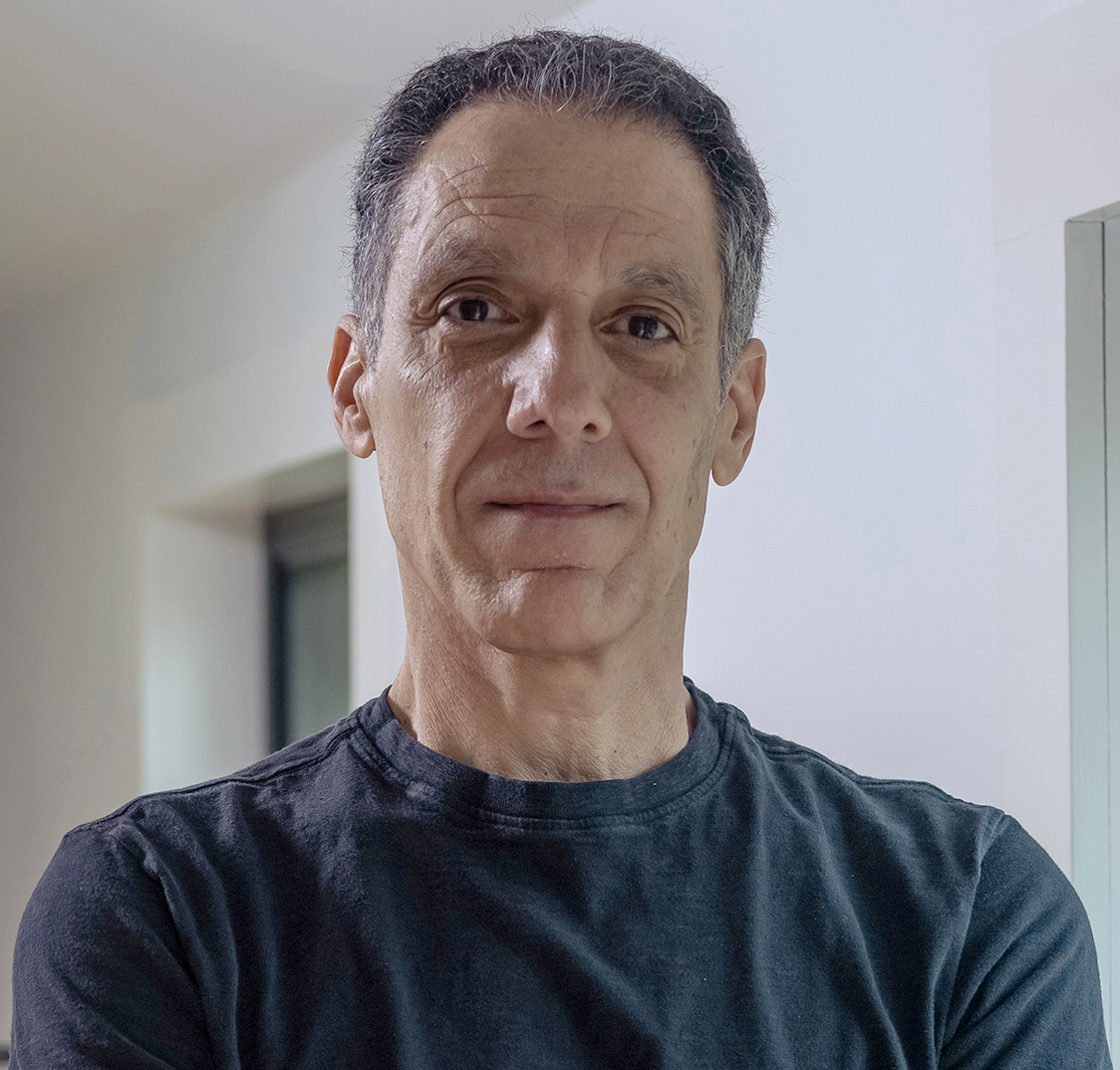
Portrait of Hany Farid

Hany Farid

Professor · Computer Science

A pioneer in digital forensics and media authentication. Co-founder of GetReal Security.

hfarid.org
V
Get in Touch

Work with us.

Funders & Foundations

Sustained support enables independent, rigorous science on questions courts and policymakers are confronting right now.

Prospective Students & Postdocs

We welcome inquiries from researchers with interests in perception, forensics, AI, or law.

Press & Public

Our publications are written to be accessible, and we are happy to talk.

Write to emily.a.cooper@dartmouth.edu or hany.farid@dartmouth.edu.